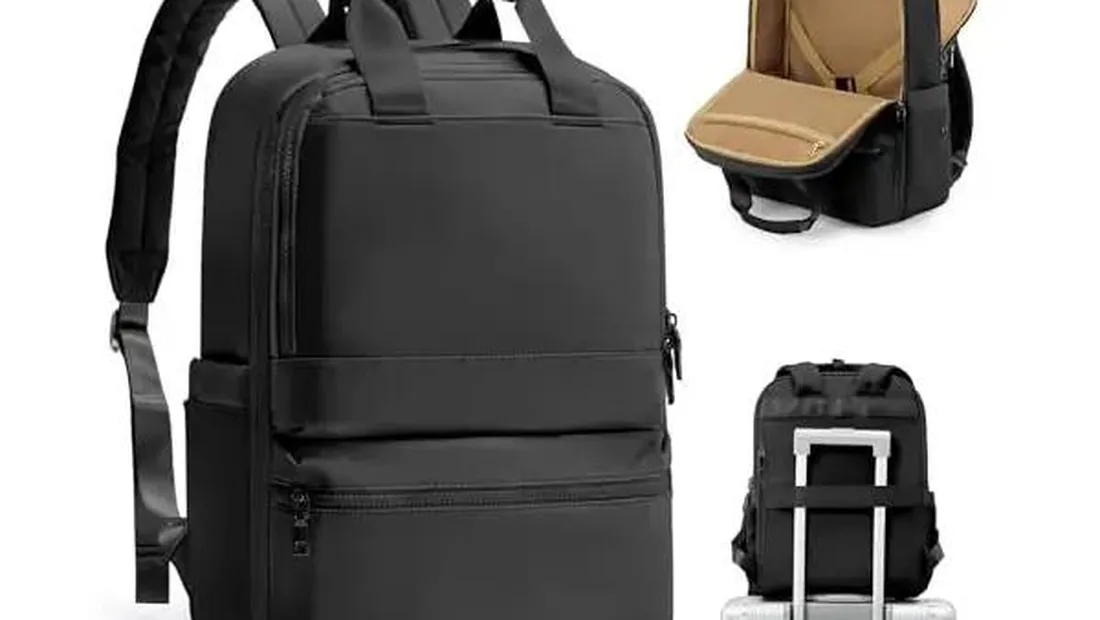
Backpack durability is not one feature. It is the result of material choice, seam construction, reinforcement, hardware and testing working together. A bag that looks tough in a photo can fail at a strap anchor in three weeks. A bag made from lighter fabric can outlast a heavier one if the seams and attachment points are specified correctly.
I have answered this question for sourcing managers and brand owners hundreds of times. They usually start with fabric. That is the right instinct, but it is only the first step. The real durability conversation happens at the seams, the stress points and the test report.
Fabric Choice: Why Denier Alone Does Not Predict Durability
Denier is the most misunderstood number in bag sourcing. It describes yarn linear density, not finished fabric strength. A 600D polyester and a 600D nylon are not equal. The weave, coating, yarn quality and finishing all change how the fabric behaves under load and abrasion.
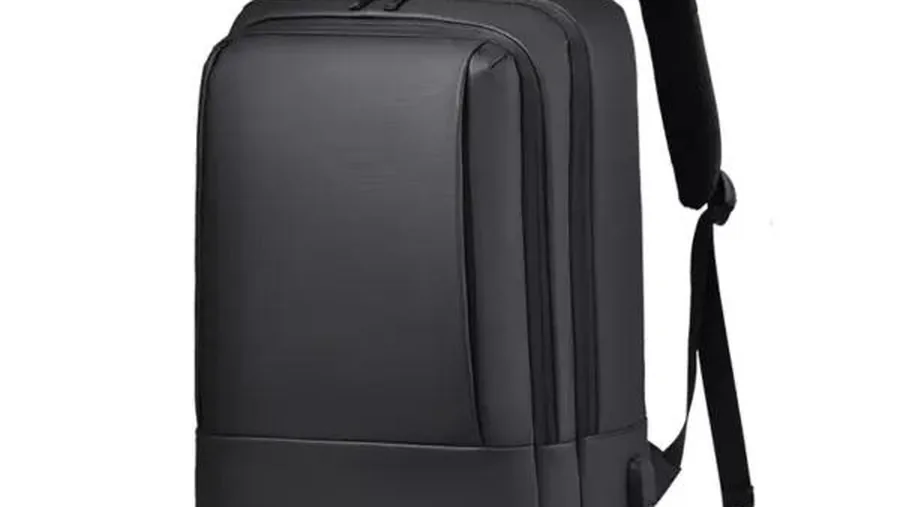
Polyester fabric is dimensionally stable and widely printable. Nylon fabric offers high strength-to-weight performance and good abrasion resistance. Canvas and cotton duck bring structure and texture but behave differently when wet. Ripstop fabric limits tear propagation through a reinforcement grid. None of these is automatically more durable than the others. The specification decides.
When a buyer asks for a durable backpack, I ask three questions. What load will the bag carry? Where will it be used? What is the failure that cost you money last time? A school backpack needs abrasion resistance on the base. A travel backpack needs seam strength at the grab handle. A work backpack needs strap anchors that survive being lifted by one strap every day.
Coatings and Laminations
Coating changes durability in ways that are easy to miss. A polyurethane coating improves water resistance and hand feel. A polyvinyl chloride coating adds stiffness and surface protection. Thermoplastic polyurethane film supports waterproof laminates and welded constructions. Each one changes how the fabric folds, sews and wears.
A coated fabric can be more durable in one dimension and less durable in another. The coating protects the yarns from moisture and abrasion. It can also crack at fold lines or peel if coating adhesion is weak. The bond between the coating and the textile substrate is a test point in its own right.
Seam Construction and Where Bags Fail First
Most backpack failures are not fabric failures. They are seam and attachment failures. The fabric is fine. The stitching pulled out, the webbing tore away from the panel, or the zipper end split open.
This happens because stress concentrates at specific points. The strap anchor, grab handle, base seam and zipper ends receive repeated peak loads. A bag can be dropped, yanked, overpacked and dragged across a floor. The seams absorb that punishment before the fabric does.
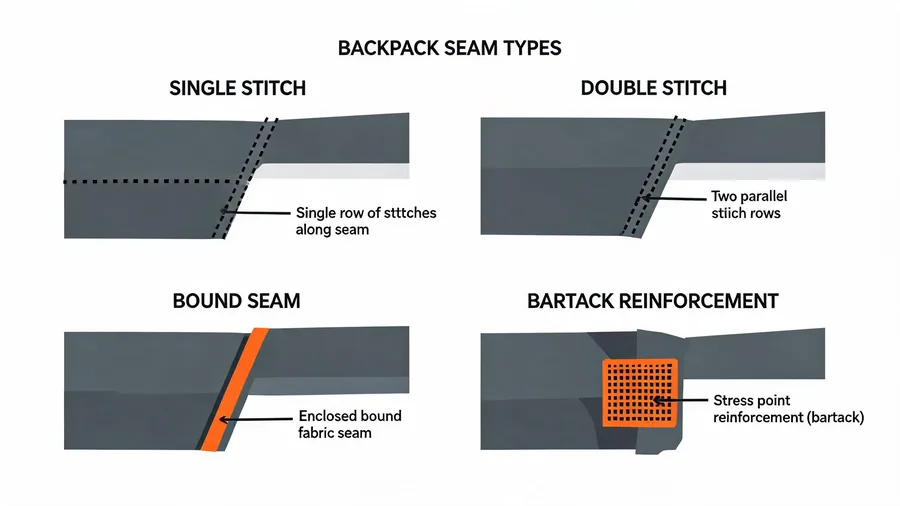
Seam construction matters more than most buyers expect. A bound-seam construction covers internal seam allowances with binding. A turned construction inverts the assembly so seam allowances remain inside. Both protect the raw edge. Neither helps if the stitch density is wrong or the seam allowance is too narrow.
Bar tacks and box-X stitches are the standard answers at high-stress points. A bar tack is a dense short stitch pattern. A box-X stitch is a rectangular reinforcement with diagonal crossing lines. Both are common at webbing attachments. When a strap anchor fails, the usual cause is a missing or undersized reinforcement, not weak fabric.
Reinforcement Patch
A reinforcement patch is an additional material layer placed at a high-stress attachment or seam. It spreads the load over a larger area of the face fabric. Without it, the stitching can act like a perforation line. The fabric tears along the stitch holes.
Specifying a reinforcement patch costs very little. Skipping it costs a lot more when a batch of bags comes back with ripped strap anchors. I have seen this on backpacks that looked excellent in a sample photo and failed in a real commute.
Hardware Selection and Zipper Ends
Hardware is where durability gets decided in small increments. Zipper cycling tests open and close the zipper repeatedly to evaluate operating force and durability. Buckle and adjuster strength tests measure break strength and slippage under load. Corrosion resistance tests evaluate metal-finish stability under moisture or salt exposure.
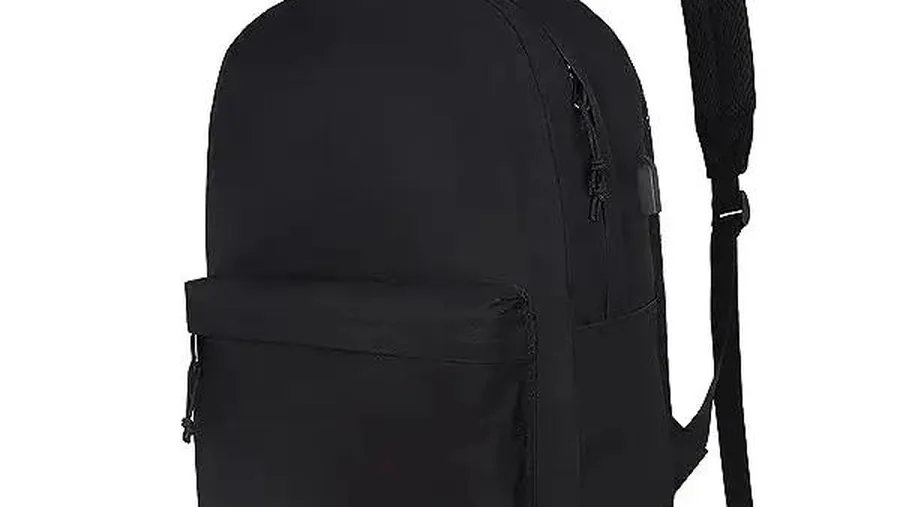
Zipper ends deserve special attention. The point where the zipper tape meets the bag body is a natural stress riser. When a user overpacks a backpack, the zipper ends take the strain. A reinforcement patch or a bar tack at the zipper end can prevent the tape from tearing away from the panel.
Hardware choice follows use. A bag that will live near salt water needs corrosion-resistant finishes. A bag that will be yanked open one-handed needs a zipper that cycles smoothly under load. These are specification decisions, not afterthoughts.
Product-Level Tests That Reveal Weakness
Material tests are useful. Product-level tests are what actually predict field performance. A backpack static load test suspends or supports the filled backpack under a defined load for a stated duration. Seams, straps, handles and deformation are inspected. A backpack dynamic load test subjects the filled pack to repeated lifting, dropping, tumbling or strap-motion cycles.
Strap-anchor strength testing applies a controlled pull to a shoulder strap, handle or webbing attachment. This is the test that catches the failure buyers report most often. A drop test drops a packed product from a defined height and orientation to evaluate structural and content protection. Seam strength testing measures the force required to break the seam, material or stitch system near a joint.
The exact values for these tests are set in the approved specification. There is no universal number that works for every backpack. A 15-liter daypack and a 35-liter travel pack have different load requirements. The test method matters more than a single threshold.
For more on how load and fit interact, see our guide on backpack strap design.
Failure-Point Table
This table shows the failure points I see most often, along with the specification decision that prevents each one.
| Failure point | Common cause | Spec decision that prevents it |
|---|---|---|
| Strap anchor tear | Stitching pulls through face fabric | Reinforcement patch plus box-X stitch |
| Grab handle rip | Narrow seam allowance at attachment | Bar tack and bound-seam construction |
| Base seam split | Overpacking plus floor abrasion | Reinforced bottom panel and abrasion-resistant fabric |
| Zipper end tear | Tape pulls away from panel under load | Bar tack at zipper ends, reinforced tape anchor |
| Coating peel | Weak bond between coating and substrate | Coating adhesion test in the spec |
| Hardware corrosion | Wrong finish for environment | Corrosion resistance test matched to use |
Claim Control: Water-Resistant Is Not Waterproof
Durability claims go wrong when a material test result is converted into a finished-product claim. This is a common sourcing mistake. A fabric passes a water-resistance test. The buyer writes "waterproof backpack" on the product page. Then the seams leak and the zipper lets water in.
Use water-resistant only when the material or product has passed a defined water-resistance method. Use waterproof only when the complete construction, including seams and closures, meets the stated waterproof test conditions. Use leakproof only when the complete product passes a defined liquid-containment test. These terms are not interchangeable.
Durability follows the same logic. A fabric abrasion test does not make a durable backpack. A complete product that passes static load, dynamic load, strap-anchor pull and zipper cycling tests has a much better chance. Keep approved test reports linked to the exact material lot, component version, sample size and product revision. That is how you defend a claim when a buyer asks.
For a deeper look at how capacity and load affect construction choices, read our guide on backpack size and capacity.
Specifying for Durability Without Overpaying
Durability is not about using the heaviest fabric available. It is about putting reinforcement where the load concentrates and leaving the rest of the bag efficient. A 600D polyester backpack with reinforced strap anchors can outlast a 1200D bag with weak seams. The heavier bag costs more and still fails first.
Start with the failure points. Specify the reinforcement patches, bar tacks and box-X stitches at those points. Choose hardware that matches the environment. Then require the product-level tests that prove the design works. That is the whole method.
If you are working with a factory, ask for the test reports before production. If they cannot produce a strap-anchor strength report, that is a signal. Not necessarily a dealbreaker, but a signal. The factories that test are the factories that catch problems before your customer does.
See our OEM process for how we handle testing and specification from inquiry to shipment.
FAQ
What is the most durable fabric for a backpack?
There is no single answer. Nylon offers high strength-to-weight performance. Polyester is dimensionally stable and widely printable. Canvas brings structure. The weave, coating and reinforcement matter more than the fiber alone.
How do I know if a backpack will last?
Look at the stress points. Are the strap anchors reinforced with bar tacks or box-X stitches? Is there a reinforcement patch at the grab handle? Does the spec include product-level tests like static load and strap-anchor pull?
Why do backpack straps rip at the top?
The upper strap anchor takes concentrated load every time the bag is lifted. Without a reinforcement patch and a box-X stitch, the stitching pulls through the face fabric. This is the most common field failure I see.
Is 600D or 1000D more durable?
Denier describes yarn linear density, not finished fabric strength. A well-constructed 600D bag can outlast a poorly sewn 1000D bag. Judge the complete construction, not the denier number alone.
Frequently Asked Questions
What is the most durable fabric for a backpack?
There is no single answer. Nylon offers high strength-to-weight performance. Polyester is dimensionally stable and widely printable. Canvas brings structure. The weave, coating and reinforcement matter more than the fiber alone.
How do I know if a backpack will last?
Look at the stress points. Are the strap anchors reinforced with bar tacks or box-X stitches? Is there a reinforcement patch at the grab handle? Does the spec include product-level tests like static load and strap-anchor pull?
Why do backpack straps rip at the top?
The upper strap anchor takes concentrated load every time the bag is lifted. Without a reinforcement patch and a box-X stitch, the stitching pulls through the face fabric. This is the most common field failure I see.
Is 600D or 1000D more durable?
Denier describes yarn linear density, not finished fabric strength. A well-constructed 600D bag can outlast a poorly sewn 1000D bag. Judge the complete construction, not the denier number alone.